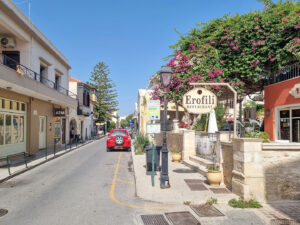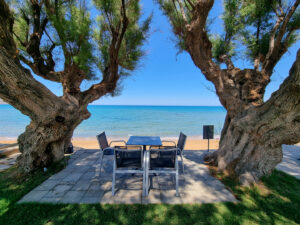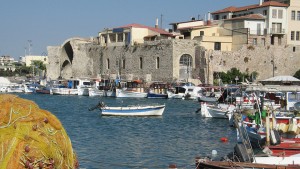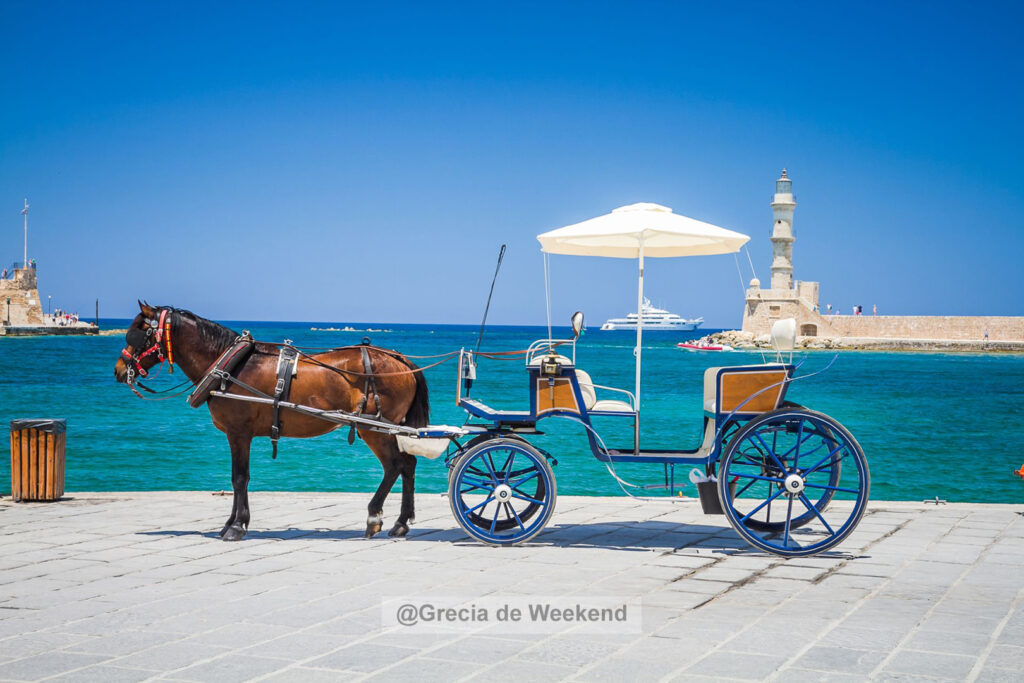
Crete attractions in a nutshell: Crete is a large island, and its major sights are spread across four regions — Chania, Rethymno, Heraklion and Lasithi. Choosing your base first makes sightseeing far easier; trying to cover east and west in one short holiday mostly produces long days of driving.
Crete is too large to treat as one small island. Many of its famous attractions need most of a day, and repeatedly crossing the island burns holiday time on the road.
This guide has one job: to help you decide what to see — which attractions deserve priority, which region each belongs to, what combines naturally, and what is unrealistic from your base. For choosing that base in the first place, start with our Crete travel guide.
If this is your first Crete trip
Best mix of city + beaches: the Chania region.
Best fit for Minoan history: the Heraklion region.
Old town + south-coast excursions: the Rethymno region.
Eastern Crete, Spinalonga, Vai, Lasithi Plateau: the Lasithi region.
Strongest major archaeological site: Knossos. Classic full-day hike: Samaria Gorge.
Iconic beach landscapes: Balos and Elafonissi. Historic island excursion: Spinalonga.
Contents
Crete attractions at a glance · How to choose what to see · Chania region · Rethymno region · Heraklion region · Lasithi region · UNESCO sites in Crete · Attractions with kids · What needs a car? · 3 / 5 / 7-day priorities · Common planning mistakes · FAQ · Verdict
Crete attractions at a glance
Use this table to eliminate as much as to select: the “important catch” column is where day-trip plans usually fall apart.
| Attraction | Region | Type | Time needed | Best for | Important catch |
|---|---|---|---|---|---|
| Knossos | Heraklion | Minoan site | 2–3 hours | First-timers, history | Limited shade; reconstructions matter |
| Chania Old Town | Chania | Historic town | Half day to evening | Atmosphere, food, walks | Explore on foot; parking is tight |
| Balos | Chania | Beach / lagoon | Full day | Lagoon scenery | Access takes planning — boat or rough road + walk |
| Elafonissi | Chania | Beach / lagoon | Full day | Shallow lagoon sectors, families | Very popular in season; protected area |
| Samaria Gorge | Chania | Hike | Demanding full day | Fit hikers, nature | Seasonal, safety-managed access; serious hike |
| Rethymno Old Town | Rethymno | Historic town | Half day | Compact old town + Fortezza | Combines well with Arkadi |
| Preveli | Rethymno | Beach / nature | Half to full day | River, palms, unusual setting | Steep access on foot, depending on approach |
| Phaistos | Heraklion | Minoan site | 1–2 hours (+ south day) | Site + landscape in one visit | Far less reconstructed than Knossos — remains need more interpretation |
| Spinalonga | Lasithi | Historic island | Half day with boat | Venetian fortress, 20th-century history | Boat required; site ticket separate |
| Agios Nikolaos | Lasithi | Town | Half day to evening | Lake, waterfront, eastern base | A town to enjoy, not a beach destination in itself |
| Dictaean Cave | Lasithi | Cave / mythology | Half day from the coast | Zeus myth, Lasithi Plateau | Uphill walk; closed Tuesdays |
| Vai | Lasithi | Beach / palm grove | Full day from most bases | Distinctive palm-grove setting | Far east; poor casual day trip from western Crete |

How to choose what to see
The combination that works for most travellers is simple: a town, a beach and one historic site or nature day — all in the same region. One big excursion every two days is a realistic rhythm; two good stops beat three rushed ones.
The order of decisions matters. Choose your base first, then build the sightseeing list around it — not the other way round. An attraction that is a comfortable half day from one base can be an exhausting cross-island slog from another.
Choose your Crete base before building the sightseeing list — the region you sleep in decides which of these attractions are realistic.
See places to stay in CreteMany properties offer free cancellation; check the exact policy for your room and dates.
Chania region — the west
Western Crete concentrates the island’s famous lagoon beaches, a Venetian city and its best-known hike. If your base is here, a full week fills easily without crossing the island — details in our Chania guide.
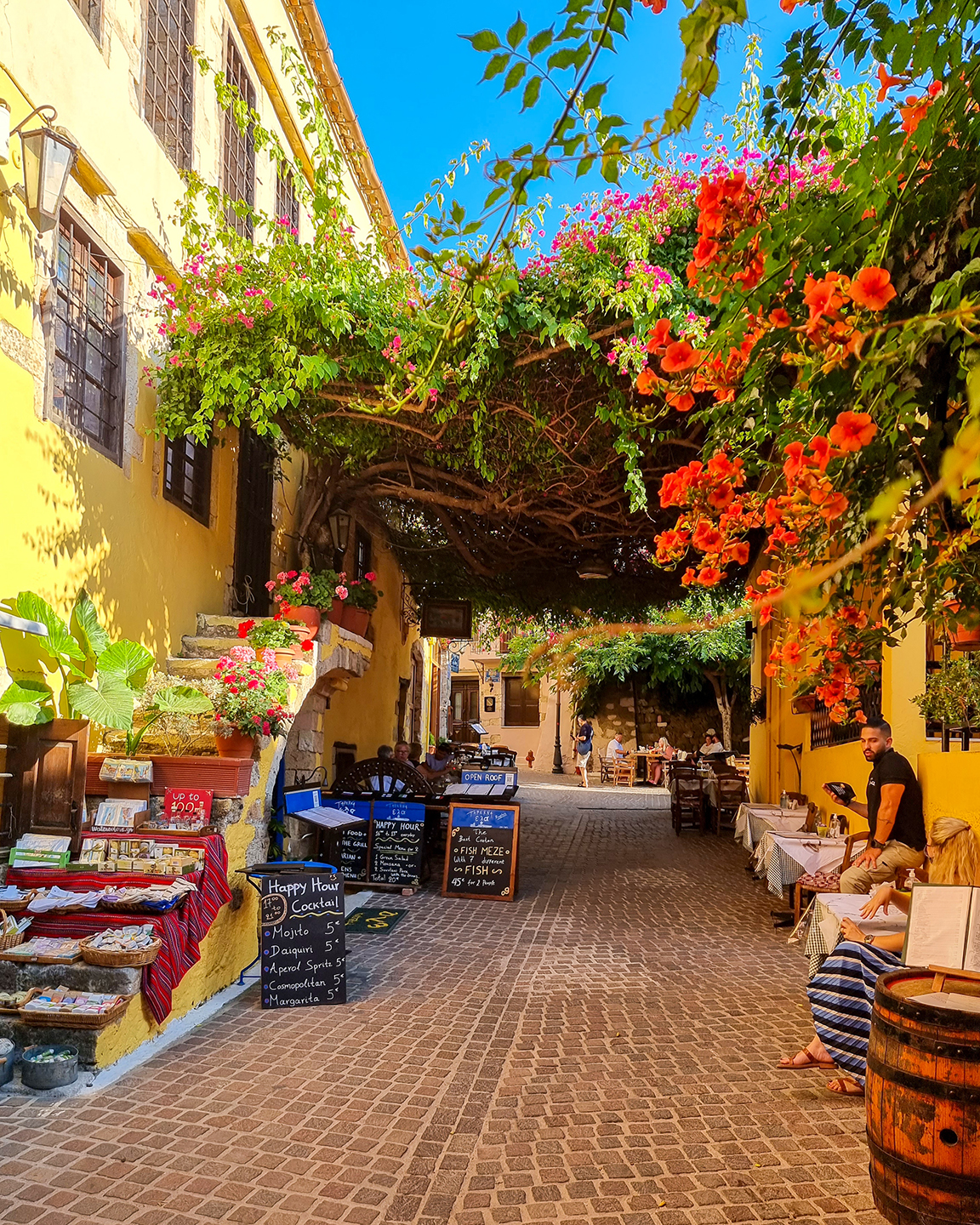
Chania Old Town and the Venetian harbour
The harbour promenade, the lighthouse and the old quarters of Venetian and Ottoman buildings — the attraction is the atmosphere rather than one monument. It fills anywhere from a half day to a full evening, works entirely on foot, and pairs walks with some of Crete’s best eating.
Balos
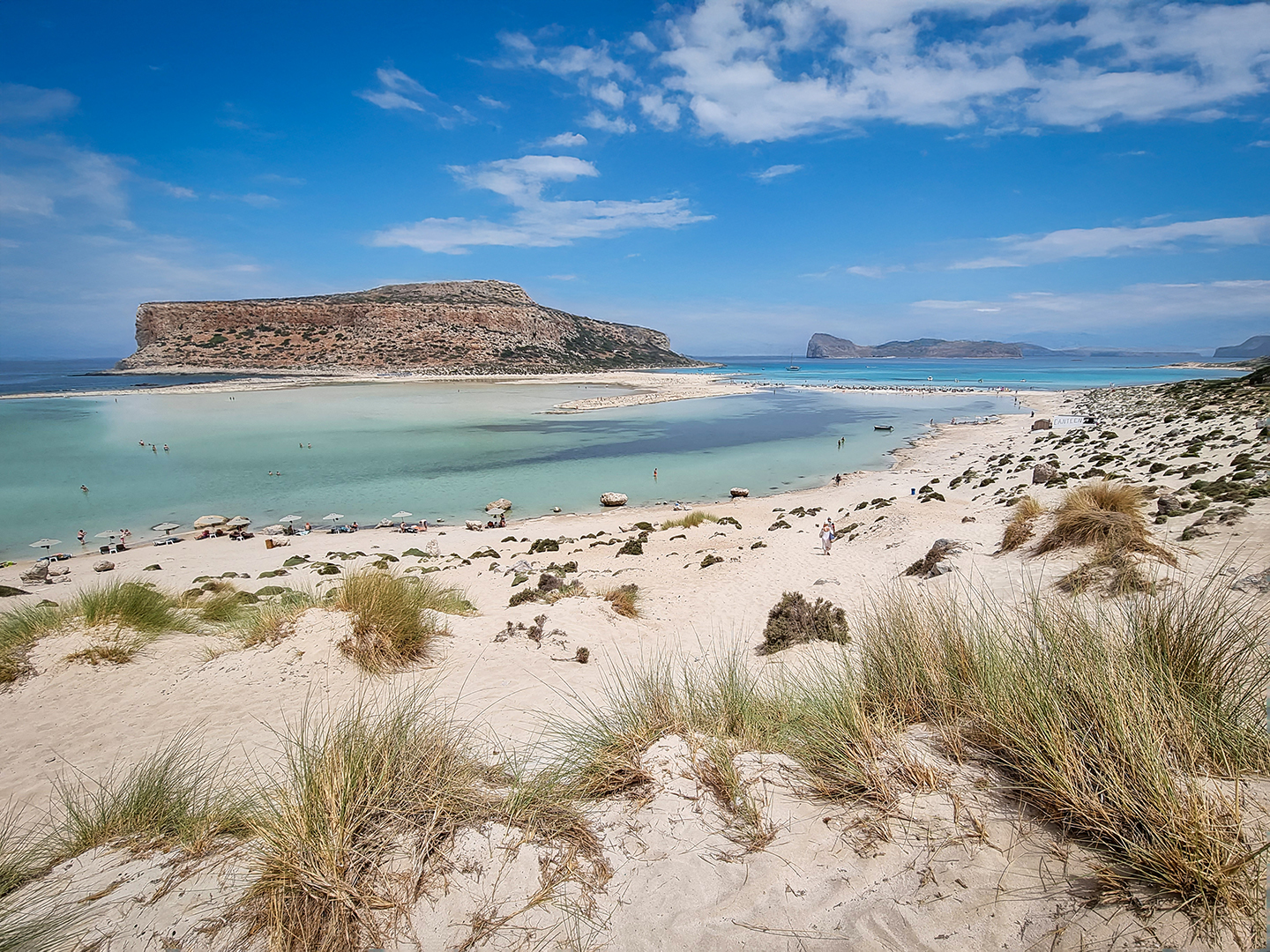
The lagoon in the far north-west, with the landscape that fronts the guidebooks. There are two ways in: a boat excursion from Kissamos, or a land approach involving an unpaved road followed by a walk down.
The boat solves the road but depends on sea conditions; the land route needs a suitable vehicle — check your hire-car contract’s position on unpaved roads. Shade and facilities are limited, and access arrangements, road conditions and parking pressure should be checked before the trip. Either way, treat it as a full day, not a stop.
Elafonissi
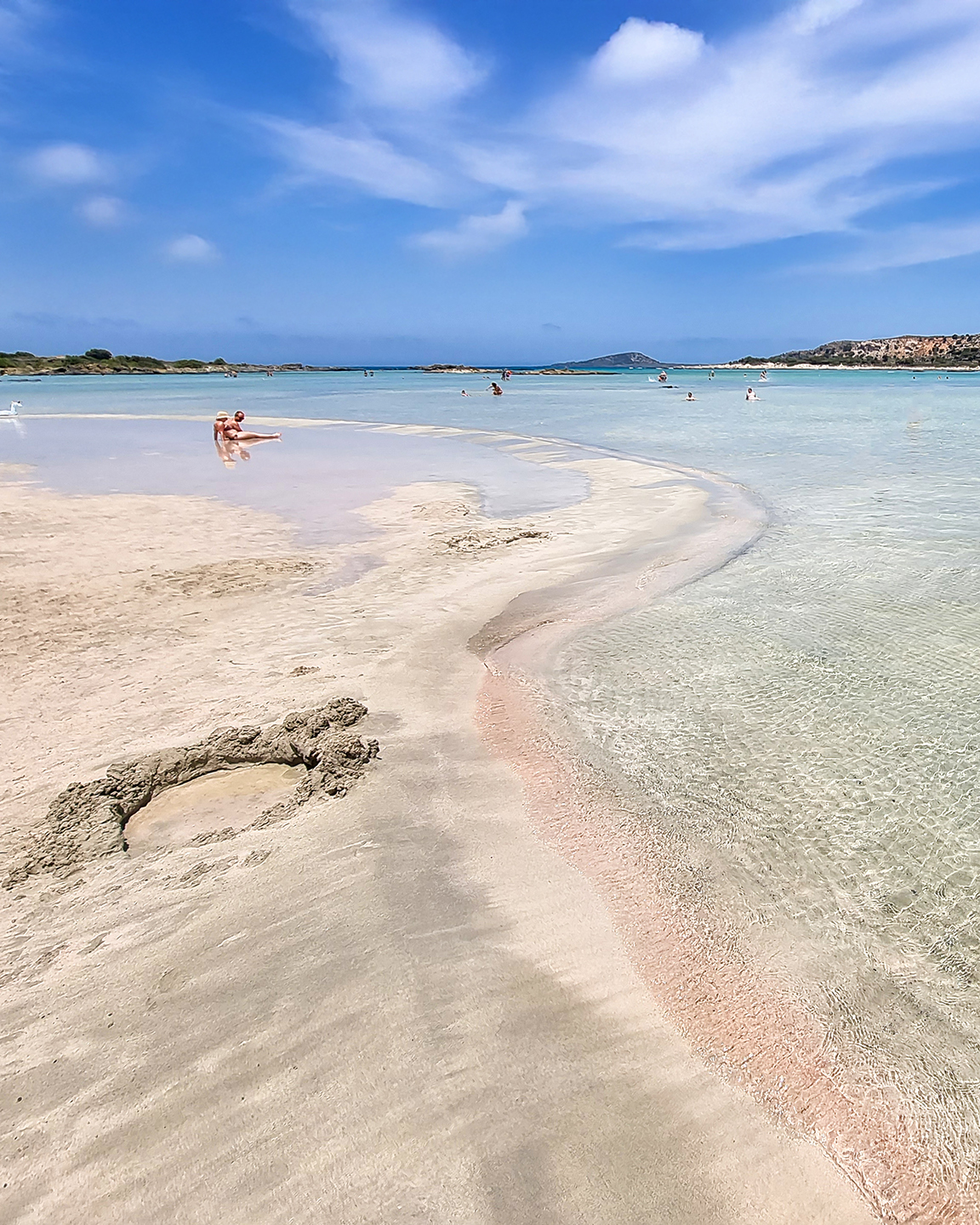
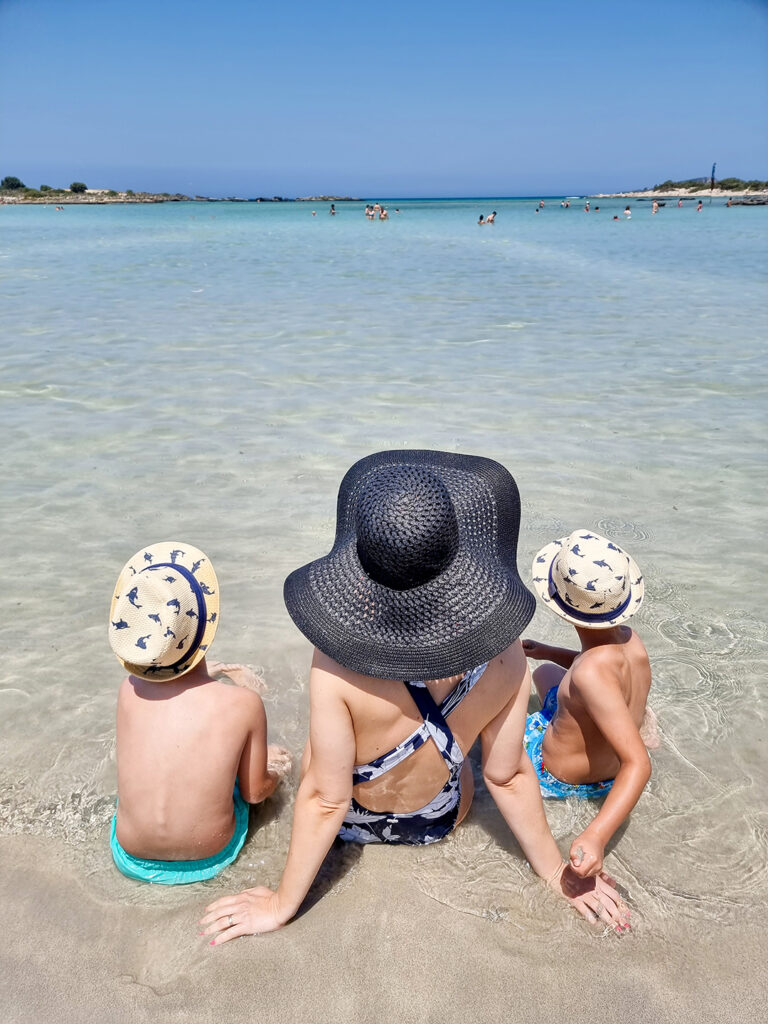
The lagoon of the south-west: shallow, lagoon-like sectors and sand with pink tones caused by shell fragments, varying with conditions. It sits in a large protected natural environment — keep to the marked paths behind the beach.
It is very popular in high season, and wind can change the day considerably. The drive from Chania is long enough that it deserves a full day, not an afternoon.
Falassarna
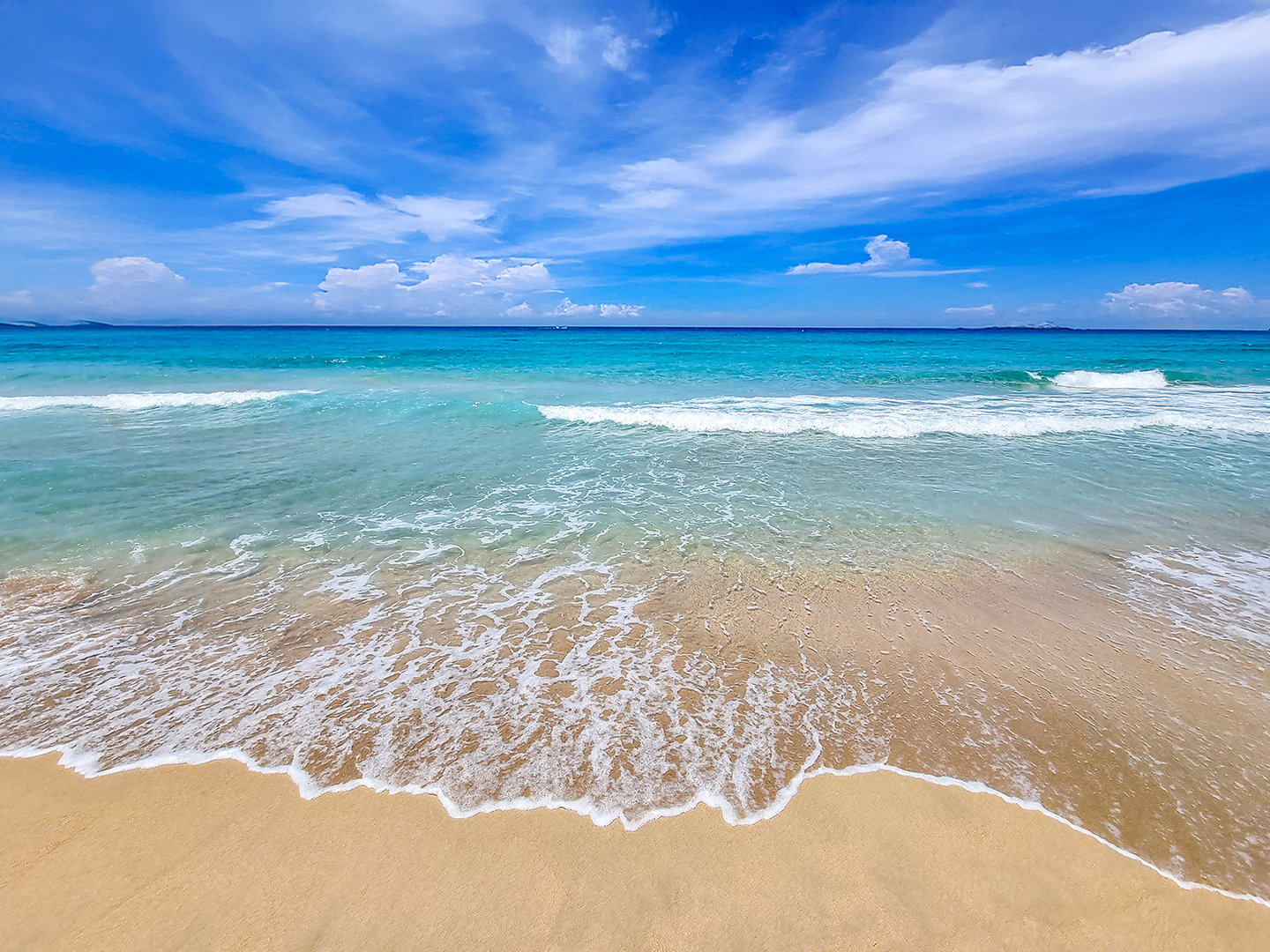
A very large west-facing beach with clear sunset potential and space to spread out — the practical alternative to the lagoons for a “big beach” day, on an asphalt road and without Balos logistics. Being exposed to the west, conditions can differ sharply by day.
Samaria Gorge
Crete’s most famous hike — and a demanding full-day logistics exercise, not a stroll: a long mountain trail on uneven, stony ground, real heat in summer, an exit near Agia Roumeli and onward ferry and transport connections to organise.
Access is actively managed and can be suspended for weather or other natural-risk conditions; the full gorge opened for the 2026 season on 19 May from both entrances. Check the current official Samaria status before travelling. If the through-hike is too much, shorter entries from either end exist, and the gentler Imbros Gorge is in the same area.
Archaeological Museum of Chania, Aptera and Lake Kournas
The Archaeological Museum of Chania is the modern museum in Chalepa, inaugurated in 2022 — when checked in August 2026, tickets were €15 full / €8 reduced. Aptera, close to Chania, layers several historical periods above Souda Bay and suits history-focused travellers without the crowds of the big Minoan sites.
Lake Kournas — Crete’s only natural freshwater lake — is an easy stop between Chania and Rethymno, and one of the simplest half days with children.
Rethymno region — the centre-west

The centre-west combines a compact old town with monasteries, quieter archaeological sites and the road to the south coast — sightseeing at a relaxed pace, without the long drives of the island’s extremities. City details in our Rethymno guide.
Rethymno Old Town and the Fortezza
The compact old centre, the small Venetian harbour and the historic lanes make an excellent half day, capped by the Fortezza on Paleokastro hill — the climb takes some energy, but the walls overlook the whole town and coast. Check the fortress’s current opening arrangements before visiting.
Arkadi Monastery
A landmark of the 1866 Cretan revolt, when the monastery became the site of a tragic siege that made it a symbol of the island’s struggle for freedom. The courtyard, the church with its Venetian façade and the memorial rooms take an unhurried hour or two, and combine easily with the region’s interior — or with Eleutherna and its modern museum for a fuller history day.
Preveli and the Kourtaliotiko Gorge
Preveli is one of the island’s most unusual beaches: a palm-lined river meeting the sea below a hillside monastery. Access requires effort depending on the approach — typically a steep walk down and back up — and it is busy in season, not an untouched cove. Preveli Monastery fits naturally into the same south-coast day.
The Kourtaliotiko Gorge, on the route south, now operates under an organised visitor-management system — the 2026 controlled-access season began on 16 May, so check current access and conditions before visiting rather than treating it as a free, always-open walk. It slots logically into a south-Rethymno / Preveli route, with Plakias as the practical base or stop on that coast.
Heraklion region — the centre-east
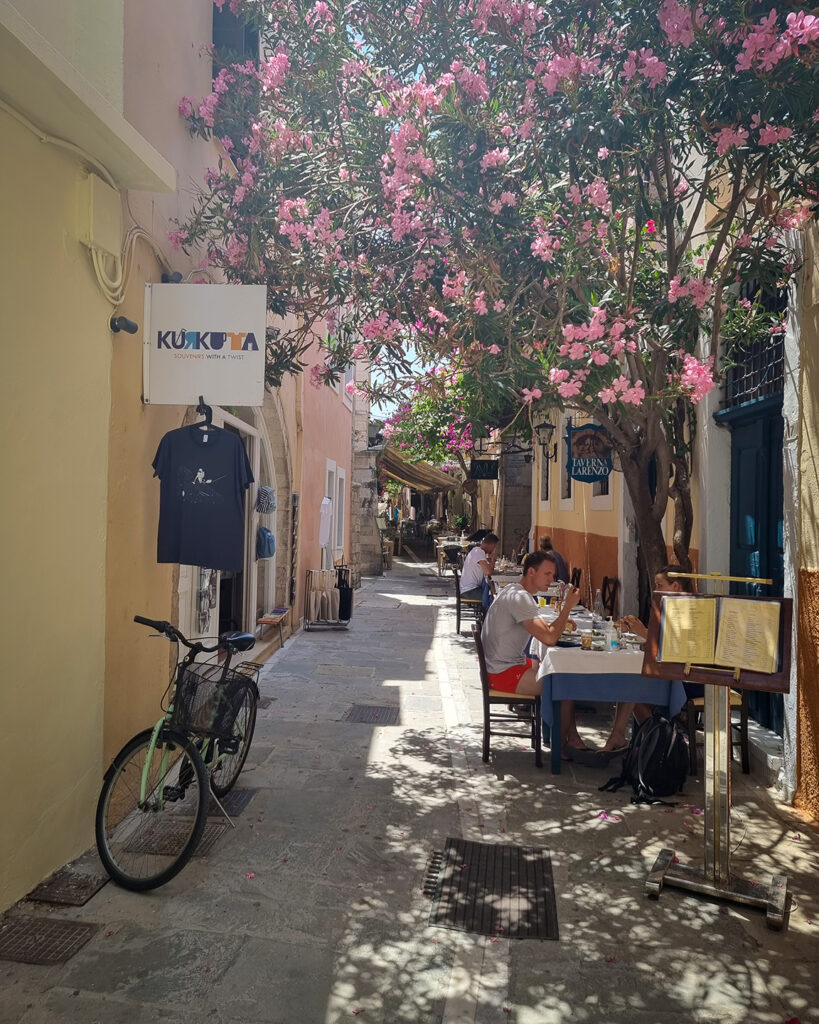
For history, this is the island’s key region: the best-known Minoan palatial centre and the museum holding its treasures, plus family activities along the coast between Heraklion and Hersonissos. City details in our Heraklion guide.
Knossos
Crete’s best-known archaeological site, inscribed on the UNESCO World Heritage List in 2025 as one component of the serial property “Minoan Palatial Centres”. When checked in August 2026, tickets were €20 full / €10 reduced; 2–3 hours is a reasonable visit for most people.
Two practical notes: shade is limited, so avoid midday in summer — authorities can temporarily modify archaeological-site access during extreme heat — and much of the site’s visual drama comes from 20th-century reconstructions, which is worth knowing before you go. Combine it with the Heraklion Archaeological Museum for the full picture.
Heraklion Archaeological Museum
The essential context for Knossos and Minoan Crete: the museum holds the most important collection of Minoan antiquities, including original frescoes from the palace. It pairs logically with the site — same day or separate days — and doubles as the practical indoor option on a very hot or windy day.
Phaistos and Matala
Phaistos is the second-largest of the Minoan palatial centres and part of the same 2025 UNESCO inscription — when checked in August 2026, tickets were €15 full / €8 reduced. Choose it for a far less reconstructed archaeological experience than Knossos, combined with wide views across the Messara plain.
Matala rounds off the same southern day: a beach backed by rock-cut caves — an ancient necropolis — with a 1960s–70s counterculture association and, today, a small resort with its own easy-going character.
Heraklion city, Koules and CretAquarium
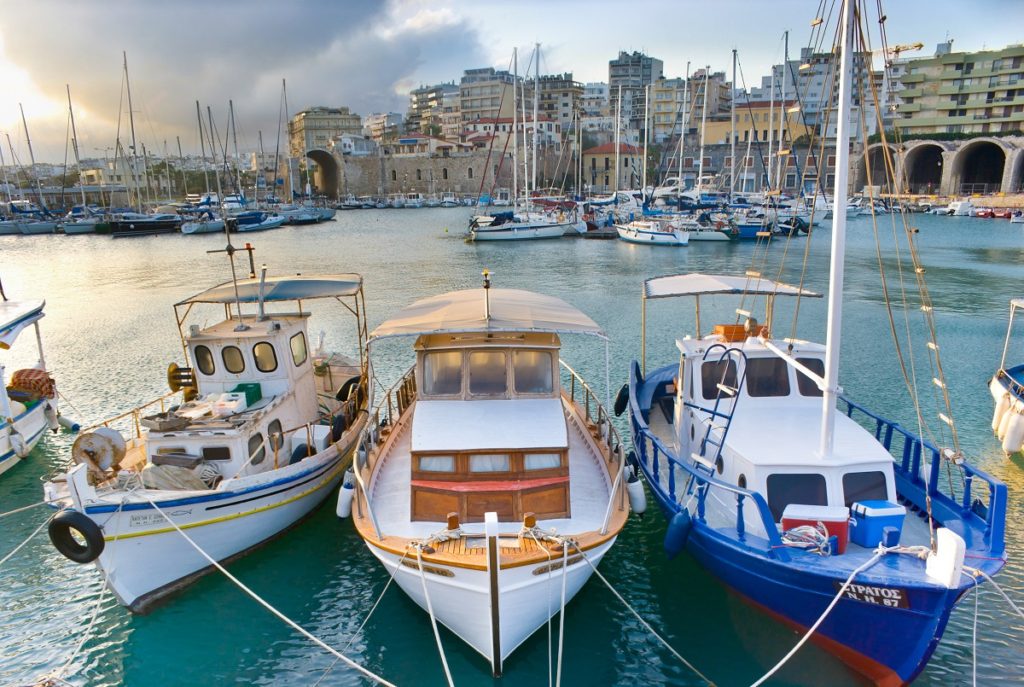
Heraklion itself is a half day of city: the Venetian harbour with the Koules fortress, the Loggia and the Morosini Fountain — lively and authentically urban rather than picturesque, and easy to link with the museum. CretAquarium at Gournes is the region’s useful family and bad-weather option rather than one of the island’s defining sights.
Lasithi region — the east

The east runs at a different rhythm: attractions are more spread out, so day trips involve more distance between stops — the Mirabello Gulf, Spinalonga and the far-east beaches each work best as separate plans.
Agios Nikolaos and Elounda
Agios Nikolaos — Lake Voulismeni, the waterfront and a compact, walkable town — is the classic eastern base and an attraction in its own right, especially in the evening; details in our Agios Nikolaos guide. Elounda, on the Mirabello Gulf, is the useful coastal springboard for Spinalonga.
Spinalonga
The fortress island of the Mirabello Gulf: a Venetian fortress, later an Ottoman settlement, and in the 20th century a leprosarium — the layered history is what makes the visit affecting. Boats run from Plaka, Elounda and Agios Nikolaos, depending on operator and season.
Practicalities: the archaeological-site ticket — €20 full / €10 reduced when checked in August 2026 — is separate from the boat fare. Note that Spinalonga is on Greece’s UNESCO Tentative List; it is not currently an inscribed World Heritage Site.
Dictaean Cave and the Lasithi Plateau
The Dictaean (Psychro) Cave is, in mythological and cult tradition, the birthplace of Zeus — a religious association, not an archaeologically proven event. The cave reopened to visitors on 29 May 2026 after extended safety and infrastructure works.
When checked in August 2026: €15 full / €8 reduced, open 08:30–15:30, closed on Tuesdays, last admission 20 minutes before closing. The visit involves an uphill walk from Psychro and physical access conditions inside worth weighing. The Lasithi Plateau around it is a landscape and villages road-trip area — windmills, farmland, village tavernas — rather than a single attraction.
Vai, Gournia and the far east
Vai combines a beach with a distinctive natural grove of Phoenix theophrasti palms — a landscape found almost nowhere else in Greece. Geography is the catch: it sits at the island’s eastern tip, so it combines with Toplou Monastery and Sitia, and it is a poor casual day trip from Chania or Rethymno.
Gournia is the strong secondary stop: a Minoan urban settlement rather than a palace, offering a different experience from the monumental sites. Zakros, the isolated palatial centre of the far east and part of the 2025 UNESCO inscription, needs a well-planned day of its own with the bay at Kato Zakros.
Crete's UNESCO picture changed in 2025
In 2025, UNESCO inscribed the serial World Heritage property “Minoan Palatial Centres”, with six components: Knossos, Phaistos, Malia, Zakros, Zominthos and Kydonia. They are not six identical visitor experiences — Knossos is a developed site with reconstructions, Zominthos a high-altitude excavation with access to verify, and Kydonia is associated with archaeological remains within modern Chania rather than a standalone palace park.
Two accuracy points worth knowing: Spinalonga is on Greece’s UNESCO Tentative List, not currently inscribed; the same applies to Samaria Gorge. For visitors, the 2025 inscription doesn’t change access rules — but if Minoan Crete interests you, the six sites form a thematic trail across the whole island, best spread over more than one holiday.
Crete attractions with kids
Judge each attraction by age, heat, walking, shade, access and your child’s interest rather than by fame. The logistically easy wins: Chania and Rethymno old towns, Elafonissi’s shallow sectors on calm days, Lake Kournas, CretAquarium, Agios Nikolaos and the archaeological museums.
More demanding: the full Samaria crossing, difficult-access beaches like Balos and Preveli, very hot archaeological sites at midday, long cross-island drives and some cave and gorge access. Knossos works well with older children when you tell the Minotaur myth beforehand — difficulty, not a universal age cut-off, is the right filter.
What needs a car — and what doesn't
A car is not universally mandatory in Crete — it depends on the base and the attractions. Without one, the following work well: Chania, Rethymno and Heraklion city centres, Agios Nikolaos, local resort stays, Knossos from Heraklion, and attractions served by KTEL buses or organised excursions.
A car becomes extremely useful for remote beaches, the Lasithi region, south-coast exploration, villages, gorges and archaeological sites outside the main transport corridors — and for combining several stops in one day. For Samaria, Balos and Spinalonga, transport involves ferries or boats anyway, so an organised excursion from your resort can beat driving; compare both options.
What can you realistically see in 3, 5 or 7 days?
3 days: stay regional. Your base’s town, a beach and one site or nature stop — do not cross the island.
5 days: one main region plus its neighbour. Chania + Rethymno, or Heraklion + one direction along the coast.
7 days: either west + central Crete, or central + east Crete — not both ends. Combining Balos, Elafonissi, Chania, Knossos, Spinalonga and Vai in one week is technically possible, but it creates a road-trip schedule rather than a holiday.
The rule behind all three: combine attractions on the same road or in the same valley, not in different corners of the island. One big excursion every two days, with easier days between, is the rhythm that holds up.
Common planning mistakes
- Treating Crete as a small island. It isn’t — east and west are separate holidays, not separate afternoons.
- Choosing attractions before choosing a base. The base decides what is realistic; pick it first.
- Planning Balos and Vai in the same short holiday. They sit at opposite ends of the island.
- Using old ticket prices and opening hours. Several major sites changed prices recently — check official pages for your dates.
- Assuming every famous beach is easy to access. Balos and Preveli involve rough roads, boats or steep walks.
- Treating Samaria as a casual walk. It is a demanding, safety-managed full-day hike.
- Visiting open archaeological sites at the hottest hours. Limited shade makes midday the worst slot — and extreme heat can trigger temporary access changes.
Frequently asked questions
What are the must-see attractions in Crete?
It depends on your base. From Chania: the Old Town, one lagoon (Balos or Elafonissi) and, for hikers, Samaria. From Rethymno: the Old Town and Arkadi. From Heraklion: Knossos and the museum. From the east: Agios Nikolaos and Spinalonga.
Which part of Crete has the most things to do?
Each region leads in something: Chania in beaches and hiking, Heraklion in Minoan history, Rethymno in old-town-plus-south-coast variety, Lasithi in island excursions and the far east. There is no single winner.
How many days do you need to see Crete?
A week covers one to two regions well. Seeing the whole island properly takes more than one holiday — a realistic pace is one big excursion every two days.
Do you need a car to explore Crete?
Not universally. Cities, Knossos from Heraklion and many excursions work with public transport or organised tours; a car helps most for remote beaches, the south coast and the east.
Can you visit Chania and Knossos in the same holiday?
Yes, comfortably — with a week and a west + central plan, or a base change. Just don’t also add Spinalonga and Vai to the same short trip.
Is Samaria Gorge suitable for everyone?
No — the through-hike is long and demanding, with managed, weather-dependent access. Shorter entries from the ends and the gentler Imbros Gorge are the alternatives.
Which Crete attractions are best with children?
The old towns, Lake Kournas, CretAquarium, Elafonissi’s shallow sectors on calm days, and Knossos with older children primed on the mythology. Judge by difficulty and heat, not by fame.
Which Crete sites are UNESCO-listed?
The six Minoan Palatial Centres — Knossos, Phaistos, Malia, Zakros, Zominthos and Kydonia — inscribed in 2025. Spinalonga and Samaria are on the Tentative List, not currently inscribed.
Verdict: choose less, see more
Crete rewards travellers who choose few things and choose them well: one base, that region’s attractions, and at most one big excursion every two days. The west delivers beaches and hiking, the centre old towns and monasteries, Heraklion the Minoan world — now with its 2025 UNESCO recognition — and the east a slower rhythm and island history.
Pick the region that matches what you most want to see, build the rest around it, and leave the opposite end of the island for the next trip — it will still be there.